
Introduction
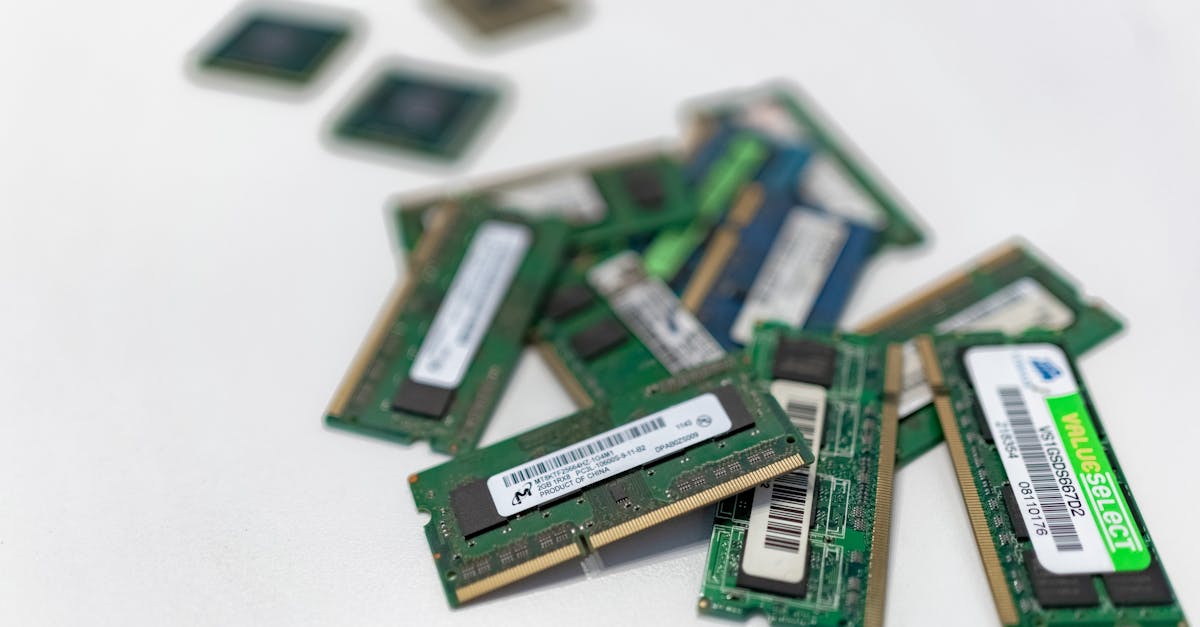
DDR3 memory debuted in 2007 and served as the mainstream standard for nearly a decade. In 2025, millions of systems worldwide still run on DDR3 platforms. The question many users and IT managers face is straightforward: should you invest in upgrading these aging systems, or is it time to move on entirely?
Understanding the DDR3 Landscape in 2025
DDR3 platforms are built around older CPU architectures. On the Intel side, this means anything from Sandy Bridge through Haswell and some early Skylake configurations. AMD platforms include FM2+ and AM3+ sockets. These processors, while dated, remain functional for many everyday tasks.
Current DDR3 Pricing
| Capacity | Approximate Price (2025) | Price per GB |
|---|---|---|
| 4GB DDR3-1600 | $8 - $12 | $2.00 - $3.00 |
| 8GB DDR3-1600 | $15 - $22 | $1.88 - $2.75 |
| 16GB DDR3-1600 | $30 - $45 | $1.88 - $2.81 |
| 16GB Kit (2x8GB) | $28 - $40 | $1.75 - $2.50 |
DDR3 modules remain widely available, and prices have stabilized at reasonable levels. The supply comes primarily from the secondary market and remaining manufacturer inventory.
When Upgrading DDR3 Makes Sense
Scenario 1: Adding RAM to an Existing System
If your DDR3 system currently runs 4GB or 8GB of RAM, adding more memory is one of the most cost-effective upgrades available. Going from 8GB to 16GB can dramatically improve multitasking performance and reduce disk swapping.
Scenario 2: Budget-Constrained Environments
For organizations managing large fleets of office PCs used primarily for web browsing, email, and document editing, maxing out DDR3 RAM is far cheaper than replacing entire systems. A $30 memory upgrade can extend a machine's useful life by two or three years.
Scenario 3: Specialized or Legacy Applications
Some industrial control systems, medical equipment, and point-of-sale terminals run software that is certified only on specific hardware configurations. Upgrading the memory within the existing platform avoids costly recertification processes.
When a Full Platform Upgrade Is Better
Performance Ceiling
DDR3 systems hit a hard performance ceiling that no amount of RAM can overcome. Single-core IPC improvements from Haswell to modern architectures represent a 60-80% gain. For CPU-intensive workloads, the processor bottleneck matters more than memory capacity.
Feature Gaps
| Feature | DDR3 Platform | DDR5 Platform |
|---|---|---|
| Max RAM | 32GB (typical) | 128GB+ |
| PCIe Generation | Gen 3 | Gen 5 |
| NVMe Support | Limited | Full |
| USB Standard | USB 3.0 | USB 4 / Thunderbolt |
| Wi-Fi | Requires add-in card | Often integrated Wi-Fi 6E/7 |
Modern platforms offer capabilities that DDR3 systems simply cannot match, regardless of how much memory you install.
Total Cost of Ownership
Consider the full picture. A DDR3 system consumes more power for less performance. Over three years of operation, the electricity savings from a modern efficient platform can offset a significant portion of the upgrade cost.
The Hybrid Approach
For many organizations, the practical answer is a phased transition. Upgrade DDR3 systems that still meet workload requirements with additional RAM and SSDs to extend their life. Simultaneously, begin replacing the most demanding workstations with modern platforms.
Recommended Upgrade Priority
- Immediate: Add an SSD if the system still uses a hard drive (biggest single improvement)
- High priority: Upgrade RAM to 16GB if currently below that
- Evaluate: If the system still feels slow after SSD and RAM upgrades, plan for full replacement
Conclusion
Upgrading DDR3 memory in 2025 remains a valid strategy for specific scenarios, particularly budget-conscious environments and legacy systems. However, it should be viewed as a life-extension measure rather than a long-term solution. The performance and efficiency gains from modern platforms are substantial enough that planning a transition timeline is equally important.
Authorain offers both DDR3 and DDR4/DDR5 memory modules for enterprise customers, supporting both legacy system maintenance and new platform deployments with competitive pricing and reliable supply.